

Why Consider Gum Grafting Surgery?
The most common gum surgery is gum grafting and it has a success rate of more than 90 percent. Gum surgery is used to treat receding gums and improve oral health. That can prevent other problems like continued gum disease and tooth loss.
Benefits of Gum Surgery
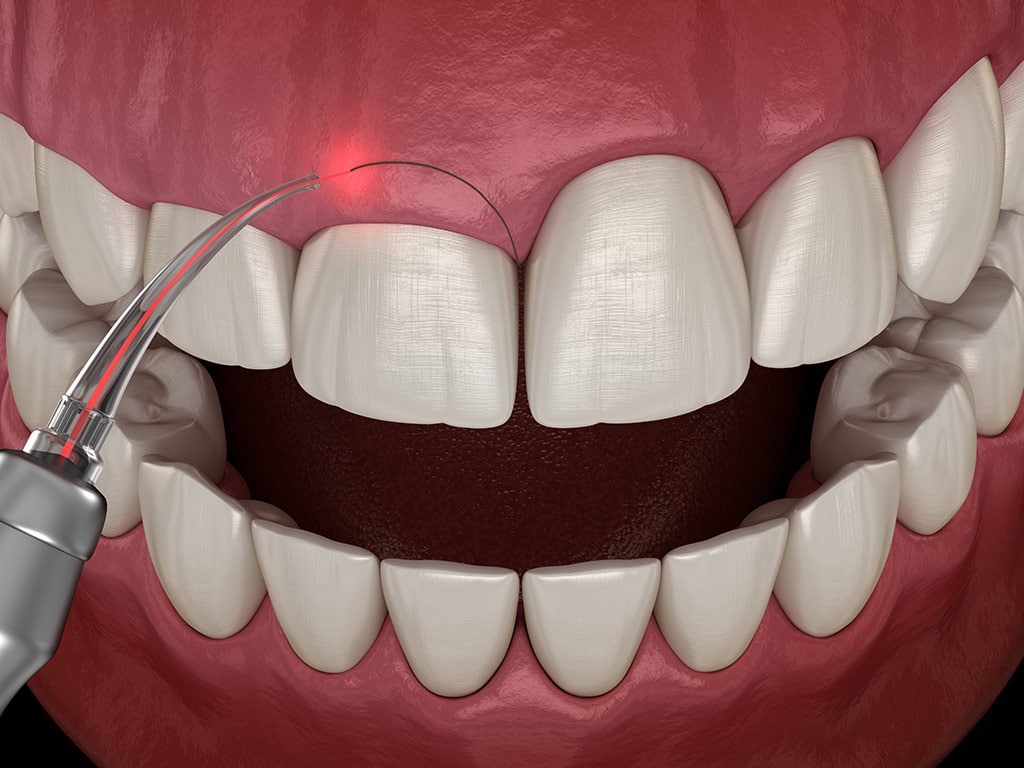
Gum grafting surgery is a good way to prevent your gums from further deterioration, cavities, tooth shifting, and tooth loss. It can prevent infections and improve your smile.
Two Varieties of Gum Grafts
Two types of gum grafting surgeries are used by dentists. One is called a gingival graft and the second is a connective tissue graft. The primary difference is how the tissue is taken from the roof of the mouth. The gingival graft uses tissue from the top layer of the palate while the connective tissue graft uses tissue from underneath the first layer, under a “flap door” the oral surgeon creates.
Gum Surgery Protects Roots
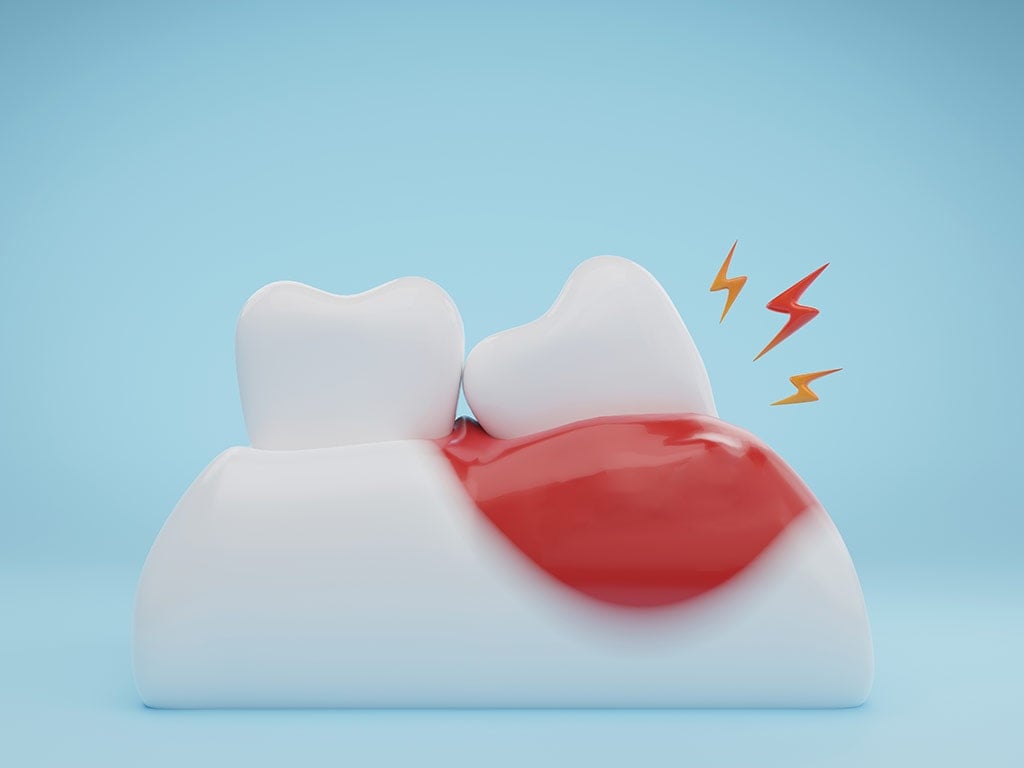
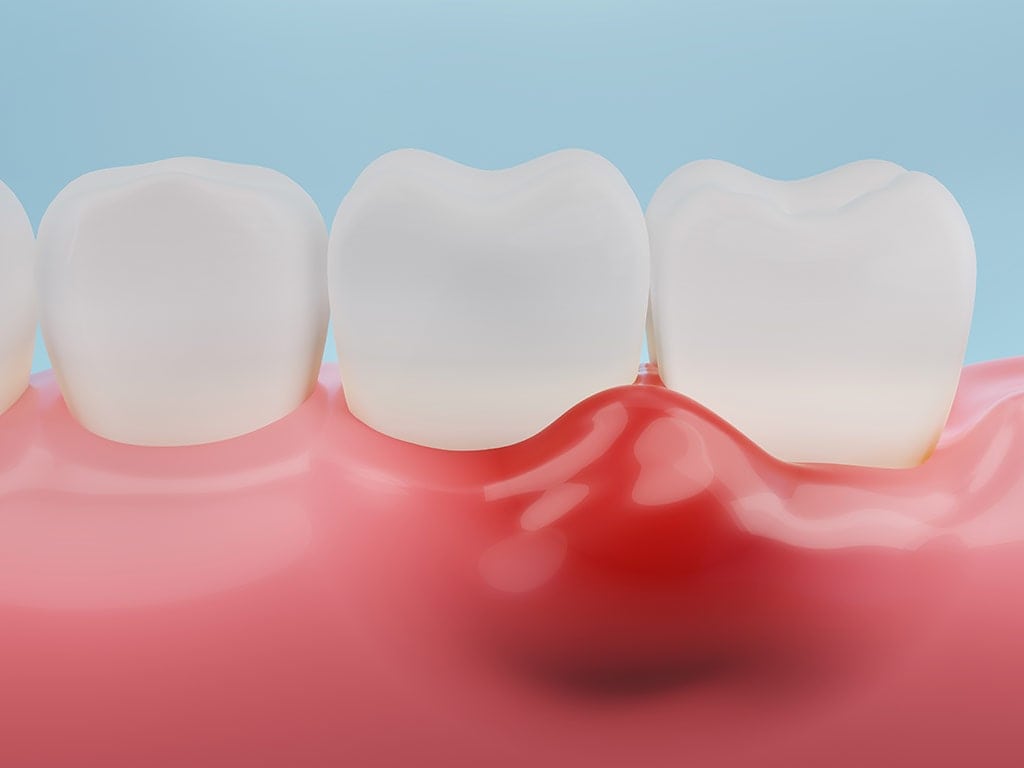
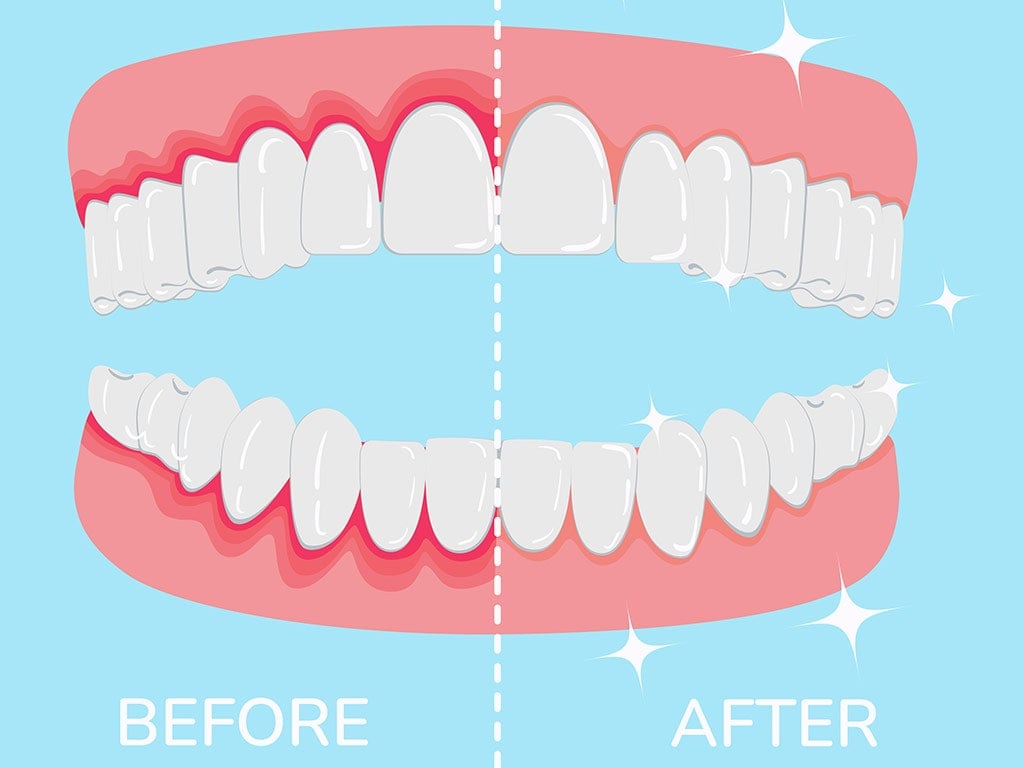
One of the best ways to protect tooth roots from gum recession is to get gum surgery. Adding healthy tissue to areas where roots are exposed will protect them from bacteria, viruses, and decay. This protects the roots from exposure.
Gum Surgery Reduces Sensitivity
Receding gums expose areas of the tooth that have little to no enamel. That makes them sensitive to things like hot and cold foods. Exposed roots also cause tooth sensitivity. Adding more tissue to the gums to build them back up adds a layer that protects both the tooth and tooth roots so sensitivity is reduced or even eliminated.
Gum Surgery Prevents Plaque
Plaque tends to build up around the gums and can eventually build up under the gums, causing gum disease and infected tooth roots. This leads to cavities and decay. Gum grafting prevents plaque from developing in sensitive areas and makes your mouth healthier.
Gum Surgery Improves Smile
Your smile can be vastly improved with gum surgery. Your smile can lose its beauty with gums that are infected, discolored, swollen, or uneven. They can also bleed and that can make your smile embarrassing. Gum surgery would resolve all of that, creating an even, beautiful smile.
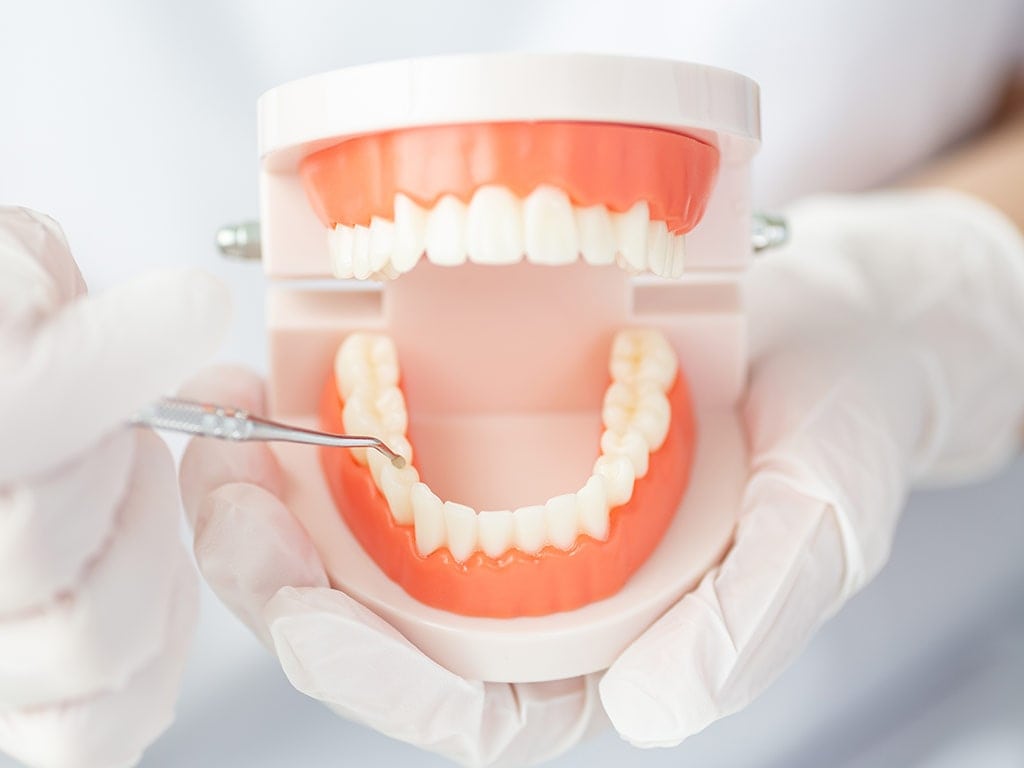
Five Steps of Doing Gum Surgery
1. Local Anesthesia Given
The dentist or periodontist will give you sedation therapy if you need it. Otherwise, they numb the teeth and gums in the area where they will be working. This starts with a topical gel to numb the skin and then they use an injection to completely numb the area.
2. Site Preparation
Once the area is numbed, the dentist or periodontist will cut into the gums to create a small flap. They will clean tooth roots to remove all decay and infection.

3. Harvesting the Tissue
The oral surgeon will then cut into your mouth’s roof to harvest a small section of tissue. They will close the area with sutures or periodontal dressing. Sometimes, they use donated tissue where they don’t need to cut into your mouth roof.
4. Gum Graft Placement
The periodontist or dentist will install the tissue over exposed tooth roots, which is the area of the receding gum.
5. Stitching
The final step is to position the gum tissue and stitch it into position. The stitches may be the type that falls out naturally or they may need to be removed in a follow-up appointment.
Gum Surgery Hamilton FAQs
- Gingival Graft: Tissue is taken from the top layer of the palate.
- Connective Tissue Graft: Tissue is harvested from beneath the top layer of the palate, under a “flap” created by the oral surgeon.
The choice between these methods depends on the specific needs of the patient and the extent of gum recession.